


National Geographic 1994 August
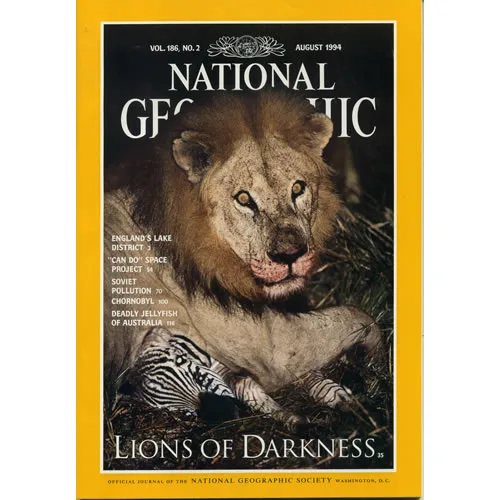
Publisher: National Geographic
ISBN: none
Behold the curious offering that is the August 1994 edition of National Geographic, an artifact from a time when the Internet was in its infancy and social media was merely a twinkle in the eye of an overly ambitious tech enthusiast. This not-so-illustrious publication brings to mind an era when the world was still spinning on the axis of VHS tapes and floppy disks, and every household was graced with the distinct scent of aged paper and questionable ink. Perhaps you find yourself yearning for the heady days of 1995, when the only thing more extravagant than the hairstyles were the travel budgets of the National Geographic magazine staff.
In this volume, you will be greeted by a cornucopia of ’exotic’ locales and ’fascinating’ cultures, all presented with the gravitas of a documentary narrated by a man with a very deep voice. There are sure to be articles about wildlife that can best be described as “furry” and “endangered,” and maps that are more colourful than a toddler’s crayon box, bursting with the kind of detail that would make any geography enthusiast weep with joy. One can only hope that the unfortunate soul who wrote the piece on the Galápagos Islands took sufficient precautions against sunburn, as the island’s tortoises are not the only ones who need to be cautious about their exposure.
Delve into the heart of this magazine for encounters with animals that may have long since learned the art of disappearing—like your enthusiasm for reading it once you’ve glanced at the cover. Expect to find articles that speak to the virtues of exploration and the threats of climate change, all while maintaining an air of superiority that suggests the authors have never once stepped into a supermarket without a safari hat. It is a time capsule, where explorers roamed the earth with a sense of purpose and a complete disregard for the convenience of modern transport.
And let us not forget the advertisements! Ah yes, the captivating ads, which promise everything from travel gear that could withstand the harshest jungle conditions to binoculars that could spot a previously undiscovered species—if only you could be bothered to locate your car keys. These snippets of consumerism provide a delightful juxtaposition to the lofty ideals of conservation and knowledge that permeate the pages. After all, nothing screams “I care about the environment” quite like purchasing a multi-thousand-dollar camera to capture its beauty.
Condition: Used but still surprisingly intact, this magazine has seen its fair share of existential crises and nostalgic thumb-throughs. Expect dog-eared pages that tell tales of countless reading sessions, possibly while seated on a sofa covered in questionable patterned upholstery. The spine may exhibit signs of wear, reminiscent of your aunt’s favourite chair, but the content remains as vibrant as the day it was birthed into the world of publishing. Yes, the pages may possess a certain aroma of history—think aged cheese meets old library—yet they are still capable of transporting you back to a simpler time, if only for a fleeting moment.
As you leaf through these pages, be prepared to encounter a plethora of photo spreads that could make even the most jaded armchair traveler sigh wistfully. Each image is a reminder of what our planet has to offer, and what we stand to lose if we’re too busy scrolling through our smartphones to look outside. After all, who needs a nature documentary when you could just stare at this 1994 edition and contemplate a life lived beyond the captioned chaos of modern life?
So why not indulge in a bit of nostalgia and pick up this piece of history? It’s not just a magazine; it’s a gateway to a world where the most pressing concern was which trail mix to pack for the next great adventure. Available now at Crappy Old Books, this edition ensures that you can both marvel at and scoff at the past, all from the comfort of your own home, while questioning if you really need to keep it on that shelf with the rest of your ’important’ literature.
Keep browsing: See more National Geographic books Other books by National Geographic
